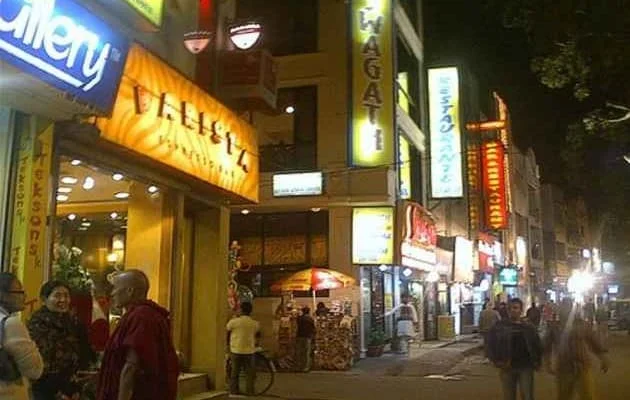
Geeta Colony is an established residential neighbourhood in East Delhi, located in the Trans-Yamuna part of the capital. Unlike Delhi’s newer residential developments, the area has been inhabited for decades and consists of numbered residential blocks, local markets, schools, parks, healthcare facilities and everyday commercial establishments. Its location close to Krishna Nagar, Gandhi Nagar and the Yamuna makes it convenient for people who regularly travel between East Delhi and central parts of the city.
An important feature of the locality is the Geeta Colony Bridge, which crosses the Yamuna and provides a direct road connection towards Ring Road near Shantivan. Geeta Colony is also officially recognised as an MCD ward; under the 2022 municipal delimitation, it is Ward No. 210 and forms part of the Krishna Nagar Assembly constituency.

Geeta Colony Quick Information
| Particular | Details |
|---|---|
| Locality | Geeta Colony |
| District/Region | East Delhi |
| City | Delhi |
| State/UT | Delhi |
| Country | India |
| PIN Code | 110031 |
| MCD Ward | Ward 210 – Geeta Colony |
| Assembly Constituency | Krishna Nagar |
| Locality Type | Established residential neighbourhood |
| Nearby Metro Stations | East Azad Nagar and Krishna Nagar |
| Metro Line | Pink Line |
| Major Road | Raja Ram Kohli Marg |
| Important Connectivity | Geeta Colony Bridge |
| Nearby Areas | Krishna Nagar, Gandhi Nagar, Shastri Nagar, Jheel Khurenja and Laxmi Nagar |
| Major Hospital | Chacha Nehru Bal Chikitsalaya |
Where Is Geeta Colony Located?
Geeta Colony is situated in the eastern part of Delhi, on the eastern side of the Yamuna. The locality is surrounded by several densely populated residential and commercial areas, including Krishna Nagar, Gandhi Nagar, Shastri Nagar and Jheel Khurenja.
The area is divided into multiple blocks. Official municipal delimitation records identify several Geeta Colony blocks, including Blocks 5, 6, 7, 11, 12, 13, 14, 15, 16, 17 and 18, along with adjoining residential pockets.
Geeta Colony’s position is useful for people who need access to both East Delhi and the older central parts of Delhi. The Yamuna would otherwise create a geographical separation, but the road network and Geeta Colony Bridge provide an important connection across the river.
History and Development of Geeta Colony
Geeta Colony is one of Delhi’s older post-Independence residential settlements. Accounts of the locality’s development trace its origins to the early 1950s, when land was developed for families displaced during the Partition of India.
Over subsequent decades, the original settlement expanded and changed considerably. Houses were rebuilt, additional floors appeared, commercial activity increased and the surrounding parts of East Delhi became much more densely urbanised.
The locality also had its own Delhi Legislative Assembly constituency in the past. The former Geeta Colony Assembly constituency existed from 1967 until the delimitation changes of 2008. Today, the municipal Geeta Colony ward falls within the Krishna Nagar Assembly constituency.
Geeta Colony Bridge and Road Connectivity
One of the area’s most important pieces of infrastructure is the Geeta Colony Bridge over the Yamuna. The bridge connects the Trans-Yamuna side of Delhi with Ring Road near Shantivan and provides an alternative route towards Central and Old Delhi.
For local movement, important roads in and around the neighbourhood include Raja Ram Kohli Marg, Geeta Colony Road and Patparganj Road. Connections towards Vikas Marg and other East Delhi arterial roads are also available through adjoining areas.
The locality can be reached using:
- DTC and other city buses
- Auto-rickshaws and e-rickshaws
- App-based cabs and taxis
- Private cars and two-wheelers
- Delhi Metro followed by local transport
Traffic can become busy during office hours, particularly on major connecting roads and around markets.
Metro Connectivity Near Geeta Colony
Geeta Colony does not have a Delhi Metro station carrying the locality’s own name. Travellers generally use one of the nearby stations and complete the remaining journey by auto-rickshaw, e-rickshaw or cab.
East Azad Nagar Metro Station
East Azad Nagar Metro Station is on the Pink Line and is a convenient option for several parts of Geeta Colony.
Krishna Nagar Metro Station
Krishna Nagar Metro Station, also on the Pink Line, is another useful station, especially when the final destination is towards Krishna Nagar or the eastern side of Geeta Colony.
The best station can therefore vary according to the exact block being visited. Checking the destination block before starting the journey can save time.
Markets and Shopping Around Geeta Colony
Geeta Colony has numerous neighbourhood shops and markets serving residents with groceries, vegetables, medicines, clothing, household products and other daily necessities.
For larger shopping trips, residents also have access to nearby commercial areas. Gandhi Nagar Market, known particularly for garments and textiles, is close to the locality. Krishna Nagar has its own established shopping areas, while Laxmi Nagar provides additional retail, food and commercial options.
This combination means residents usually do not need to travel far for everyday purchases.
Schools and Healthcare Facilities
Being an established residential neighbourhood, Geeta Colony has access to government and private educational institutions in and around the area.
One of its particularly important public healthcare facilities is Chacha Nehru Bal Chikitsalaya, located on Raja Ram Kohli Marg. It is a government children’s hospital and is a major landmark within the locality.
Residents can also find clinics, pharmacies, nursing homes and other healthcare services throughout Geeta Colony and adjoining Krishna Nagar.
Nearby Places and Localities
Geeta Colony is surrounded by several important East Delhi neighbourhoods and destinations. Some useful nearby areas include:
Krishna Nagar: A major residential and shopping neighbourhood located close to Geeta Colony.
Gandhi Nagar: Known for its extensive garment and textile market and dense commercial activity.
Jheel Khurenja: An older residential and commercial pocket adjoining the broader Geeta Colony-Krishna Nagar area.
Laxmi Nagar: A busy East Delhi commercial and residential centre with markets, coaching institutes, offices and Blue Line Metro connectivity.
Shahdara: One of East Delhi’s older urban areas and an important transport and commercial zone.
The Geeta Colony Bridge also makes destinations across the Yamuna, including the Rajghat and Shantivan side of Delhi, relatively accessible by road.
How to Reach Geeta Colony
By Metro
Take the Delhi Metro to East Azad Nagar or Krishna Nagar Metro Station on the Pink Line. From there, take an auto-rickshaw, e-rickshaw or cab to the required block in Geeta Colony.
By Bus
Public buses operate through and around Geeta Colony, with stops serving different blocks and main roads. The correct bus and stop will depend on your starting point and exact destination.
By Car or Taxi
Travellers coming from Central Delhi can use routes leading towards the Geeta Colony Bridge to cross the Yamuna. From other parts of East Delhi, the locality can be approached through roads connecting Krishna Nagar, Gandhi Nagar, Laxmi Nagar and surrounding areas.
By Train
Delhi Shahdara Junction is among the nearby railway stations. Passengers arriving at larger railway terminals elsewhere in Delhi can continue towards Geeta Colony by Metro, taxi or other local transport.
FAQs About Geeta Colony Delhi
Q1. Which district is Geeta Colony in?
A: Geeta Colony is an established locality in East Delhi. It is also Ward No. 210 under Delhi’s municipal delimitation and falls within the Krishna Nagar Assembly constituency.
Q2. What is the PIN code of Geeta Colony Delhi?
A: The commonly used PIN code for Geeta Colony is 110031. Since nearby neighbourhoods can have different PIN codes, the complete postal address should be checked when sending an important document or parcel.
Q3. Which metro station is nearest to Geeta Colony?
A: East Azad Nagar and Krishna Nagar Metro stations, both on the Pink Line, are convenient options for Geeta Colony. The better station depends on the particular block or destination you are visiting.
Q4. What is Geeta Colony known for?
A: Geeta Colony is mainly known as a long-established residential neighbourhood of East Delhi. It is also known for the Geeta Colony Bridge, which provides an important road connection across the Yamuna, and for its proximity to Krishna Nagar, Gandhi Nagar and other major East Delhi localities.